
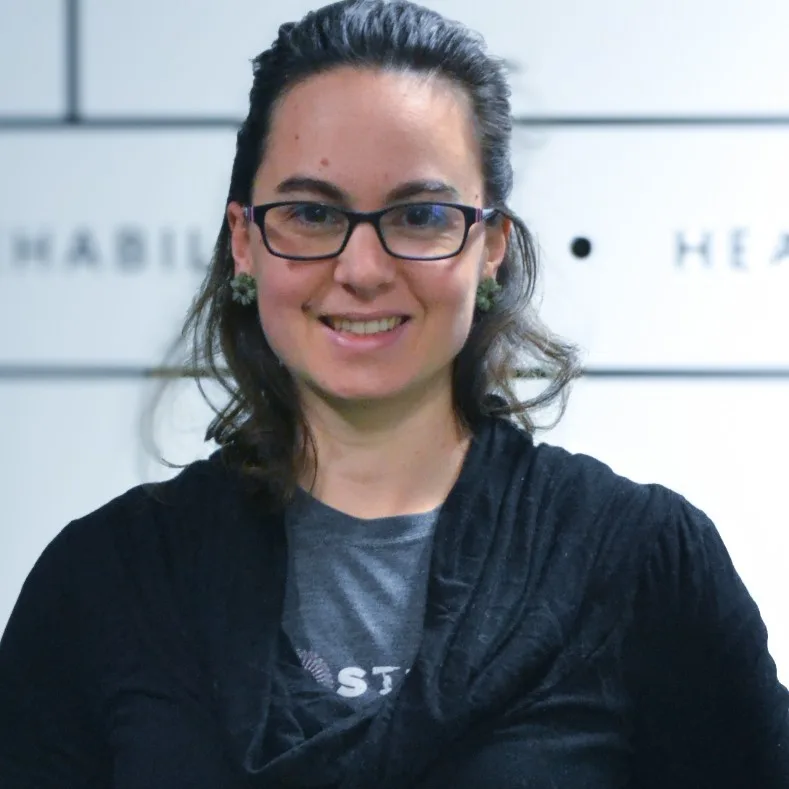
Growing up, my late father told me that I was “born to move”. When I was born, the doctor who caught me almost dropped me because I was squirming so much. I am still fond of that story, because it is undoubtedly true. To me, it was normal to have an abundance of energy, as if everyone else in the world had that energy. It was my special super power where I felt confident and happy to move how I wanted to; I always felt a release and sense of calm after movement, exercise or stretching. It was a small moment in time in between life, where my brain shut off, and the chatter would cease to exist.
Skip forward to thirty-eight years later where I was given a late-stage diagnosis of combined ADHD. A light bulb went off in my brain; it all made sense; hyperactivity, hyper focus, the lack of impulse control, the inability to organize, simple tasks that I hated to do like cleaning and dishes, lack of focus while listening to podcasts or watching a movie and, lastly what most affects me is emotional regulation. It became an upwards battle, being stubborn and not wanting to think I was different or that something was “wrong with me,” it took a while to realize that something needed attention.
I was starting to have trouble with managing anxiety; crying at every stress, not focusing at work and not being able to manage daily life. It was also a period in my life where I was processing the trauma that I experienced at the age of thirteen when I saw my mother die due to cancer treatments. I have read several books about trauma and the nervous system, searching for answers to figure out why I reacted so strongly to life’s events, changes and social interactions (always with a nervous energy). It wasn’t until I started looking into ADHD that it all fell into place. Through my research about trauma, I discovered that neurodivergent brains already have a sensitive nervous system and find it harder to respond to stress. In my case, I got overstimulated and burnt out. Mixed with trauma, it is what I like to call a Neuro- F**** roller coaster.
Looking back, when I was a teenager, lacking one primary care giver and not knowing about ADHD, it was not surprising that I found an outlet to manage my symptoms. I loved running, weight training, dance and really any movement to help calm my system. Eventually, it lead to jobs and careers in the fitness industry and to my current job as a Registered Massage Therapist and Mobility Specialist.
The ADHD diagnosis has helped to clarify how my brain works and made me feel less ashamed. It created an in depth body awareness and deep learning about how the body-mind deals with stress and to find therapeutic ways to manage. I had always tried so hard to function and pushed myself to perform big accomplishments in order to seem normal, when really, I didn’t know what was going on.
It wasn’t until I was maybe thirty- five to thirty -eight, when my hormones started to change, that my ADHD symptoms skyrocketed. So here I am now in my fourth month of taking medications to help manage my symptoms, and life is quite different! I am more attentive, I have less burn out, I don’t need to run for hours to just get a dopamine hit, at work I am more present and I feel more motivated to do the hobbies that I love.
I think it’s important to understand that medication will not solve everything but it will give you the tools to function better and have better relationships, less burnt out and more focus in your career. The one area that I still struggle with a little bit is during my monthly cycle when hormones fluctuate. As estrogen rises and falls so does attention and focus - all the different chemical reactions and neurotransmitters sometimes becomes muddled. It has not been officially diagnosed but I am pretty sure that I display symptoms of PMDD; Pre- Menstral Dysphoria, basically a mood disorder and a sensitive system to changes in neurochemicals. Yikes!
At first I was angry that ADHD was not brought to my attention sooner, since it does run in my family and is genetic. It was comforting that my sister Anya, brought to my attention that our parents loved us children and they accepted that their daughter had high energy. I felt that had I known about the ADHD I could have navigated life better, but learning acceptance and compassion has been a big lesson and made me have a deeper understanding of myself and the world (its OK to rest!) - perhaps that’s why I am a good massage therapist.
ADHD, in my opinion, is a gift and can be harnessed to do so many wonderful pursuits. My favourite aspect about having hyper focus is that you can be engrossed in what you love to do; reading fantasy and history books for hours, hiking or running in the forest, deep conversations with friends and family. Even though it is hard to feel the stressors and difficult emotions you also feel the good emotions and it encompasses your whole body.
Luckily, there are foods, supplements and lifestyle changes that have been wonderful. Managing stress is a huge component, finding ways to ground oneself is crucial. Below I have complied a list of strategies that have been helpful to me. I like to pull out each one based on my needs. I understand that each person is unique and has different needs; my intention is to provide an example of the resources I have used in order help others.
Therapy
I have seen many therapists of the years, from counsellors to psychotherapists, and found that a therapist with training in Brain Spotting is very helpful to help process and heal traumatic events. Cognitive Behaviour Therapy is also beneficial when it comes to using your brain from a top down process to logically state the reality of a scenario. However, I found that I needed something deeper that helped my brain to process trauma. Brain Spotting is a brain- body therapy that uses eye positions to help process trauma, stress and emotional blockages. With the idea that where you look affects how you feel and trauma gets stuck in the visual field. Brain spotting session’s create peace and changes the way you perceive that event and therefore creates healing.
Yoga Nidra
Yoga Nidra, or Yoga Sleep is the practice of introspection with a guide. There are several ways this yoga practice works; you can lye down or sit in chair, there is a guided voice talking to you. Using breathe, or sensing the breathe, gentle movement, sensory or somatic movements, visual meditation, and gaining introspection; body awareness. It is a state of mind between wakefulness and sleep, enabling one to be fully present.
Exercise and Yoga
I have always loved running, swimming or cardio based exercises. It allows me to rest my brain, and focus on what is happening in the moment. Repetitive movement has especially been helpful since it focuses on the task at hand. Especially if its outside in nature.
Yoga is very therapeutic since it’s a whole body movement that use the breathe and to move with intention and flow. Yin yoga, Vinyasa Flow and Restorative are some of my favourites.
Dancing
I have taken several forms of dance; from Belly Dancing to the basics of Break Dancing and Contemporary Dance. Dance opens up different ways of moving, it involves coordination, spacial awareness and the music make’s you feel free to “shake it off”.
Weight Training
My first full-time career was working as a Personal Trainer and Group Fitness Instructor. I really enjoy strength training. I think mixing cardio and strength training is the way to go for full-body health. Steady strength training with gradual increases in weight brings confidence and creates self-worth. The added bonus of strength training, especially lower-body strength, is important for cognitive health.
Hobbies
As for hobbies, I enjoy making art collages; using a variety of mediums from magazines to fabrics, paint, parts of jewellery etc. It allows me to escape for a while. Writing stories is fun and I enjoy the research part of creating a story; or you can just sit down and write about whatever comes to your mind! Colouring books creates mindfulness by focusing on the item you are working on. Most recently, I got back into collecting Lego sets (mostly Harry Potter) and building book nooks. These allow a steady focus and challenges the brain to follow instructions while you immerse yourself in creating other worlds.
Health Professional Support
Registered Massage Therapy; Indie Head Massage, Deep Tissue, Sports, Fascial Stretching
Osteopath; Visceral Manipulation
Pelvic Floor Physiotherapy
Books and Videos
Scattered Minds, Gabor Mate
The Woman’s Brain Book: Neuroscience of Health, Hormones and Happiness
Sarah Mckay
Krista Gansterer
RMT
CSEP PT®
Kinstretch®
Yoga Teacher

Many of us ADHDers have heard about the analogy th... Read More

Shaming has been the name of the game for kids wit... Read More

Many parents find themselves redefining what “home... Read More

This ADHD Awareness Month, CADDAC is highlighting... Read More

This ADHD Awareness Month, CADDAC is highlighting... Read More
