
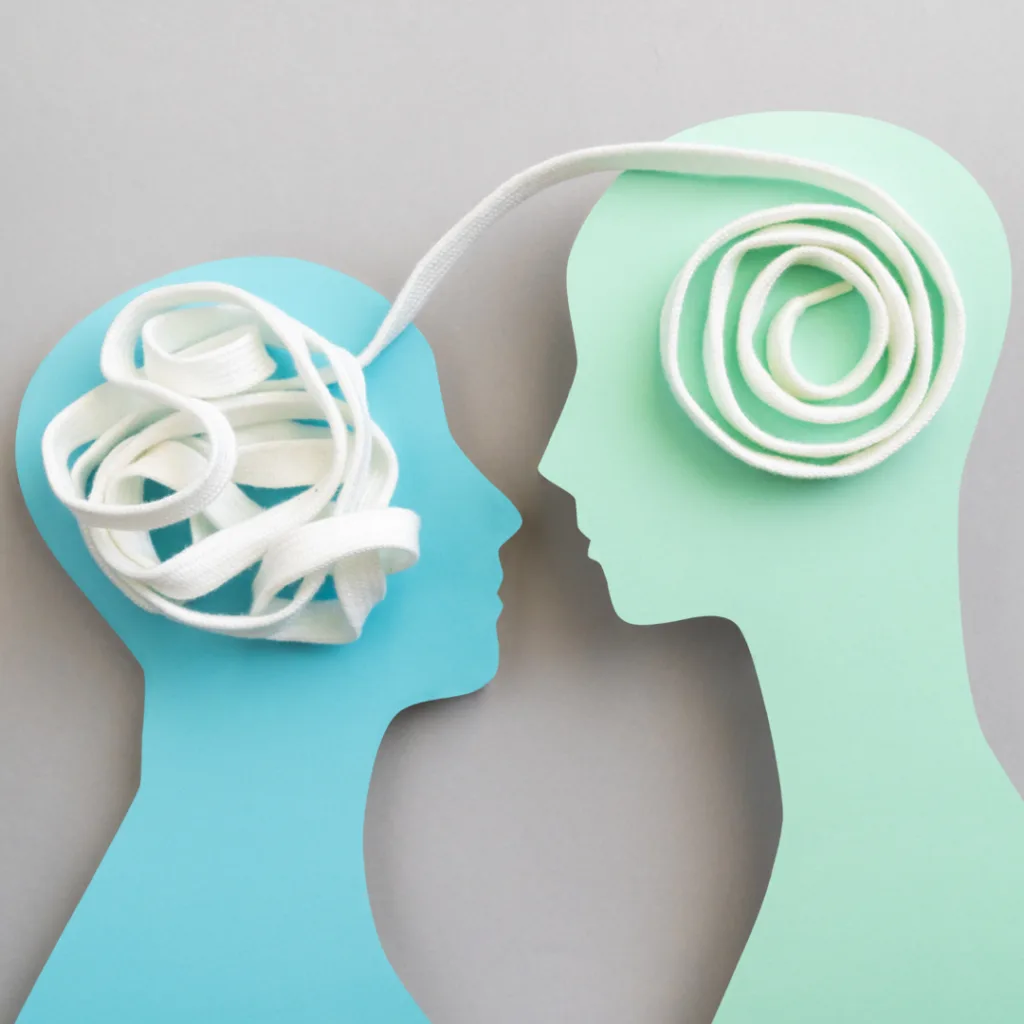
If you have ADHD, you may care deeply and connect intensely. At the same time, everyday relationship moments can become harder to manage. You may mean to reply, intend to help, or listen better while looking away, yet the other person may receive a different message.
The tips below can help you make intentions clearer, reduce repeated conflict, and repair more easily when things go wrong.
Common ADHD Relationship Patterns
ADHD can create a gap between what you meant and how someone else experienced it.
Intention is what you meant. Impact is how the other person experienced it.
You may recognise some of these patterns, and they can show up differently in different relationships.
💬 Delayed replies
You mean to respond, but the message disappears from your mind. To the other person, the silence may feel like distance or disinterest.
🕒 Time blindness
You underestimate time, arrive late, or struggle to prepare early. To the other person, this may feel like their time was not valued.
👂 Distracted listening
You look away, drift, miss details, or seem less present than you feel. To the other person, this may feel like they are not being heard.
🗣️ Interrupting
You jump in because you are excited, urgent, or afraid of losing the thought. To the other person, this may feel like being talked over.
🌊 Emotional intensity
You react strongly when overwhelmed, hurt, stressed, or overstimulated. To the other person, this may feel sudden, intense, or hard to respond to.
💔Rejection sensitivity
Criticism, delay, distance, or a change in tone may feel especially painful. To the other person, your reaction may seem bigger than the moment itself.
🔁 Inconsistent follow-through
You intend to do something, but struggle to start, remember, or finish. To the other person, this may feel like unreliability.
🏠 Shared task tension
Chores, planning, finances, or invisible labour become repeated conflict points. To the other person, this may feel like they are carrying too much alone.
ADHD Relationship Tips
💬 Make your intentions visible
People cannot always see what you meant internally. If your behaviour looked distant, distracted, late, or unreliable, it can help to say the missing piece clearly.
Helpful phrases may include:
💬 “I forgot to reply, but I do want to stay connected.”
💬 “I went quiet because I was overwhelmed, and I want to come back to this.”
💬 “I may look away while you talk, but I am listening.”
This reduces guesswork. Clear words help the other person understand what silence, delay, or distraction means.
🧠 Name the pattern without attacking yourself
When a pattern keeps going wrong, it can help to name it more clearly. A pattern name gives you somewhere to start.
🧠 “This is a working memory issue.”
🕒 “This is a time blindness issue.”
🌊 “This is emotional intensity showing up.”
🔁 “This is a follow-through pattern we need a system for.”
Naming the pattern helps you move from shame into problem-solving.
📌 Make expectations specific
Vague expectations are hard to follow through on. Phrases like “help more,” “be more reliable,” or “communicate better” may sound clear, but they leave too much room for interpretation. A clearer agreement is easier to act on.
📌 “Help more” can become “own dinner cleanup on Mondays, Wednesdays, and Fridays.”
📌 “Be on time” can become “start getting ready at 18:30 and leave at 19:00.”
📌 “Communicate better” can become “send a short message if you cannot reply properly yet.”
Specific agreements reduce shame, guessing, and repeated conflict.
🧰 Use visible systems for responsibilities
ADHD can make it harder to rely on memory, motivation, and a natural sense of time. Visible systems make important things easier to remember before they become urgent.
Helpful systems may include:
📅 a shared calendar for plans, appointments, birthdays, and important dates
🏠 a household task board showing who owns what, and when it happens
💬 a communication fallback, such as “I’m overwhelmed, but I’ll reply tonight”
This works best when the task is visible before anyone has to remind you. A system can protect your intentions from getting lost in daily demands.
🌊 Plan for emotional intensity and rejection sensitivity
If you experience rejection sensitivity, a delayed reply, a tired tone, a short comment, or a changed facial expression may feel like rejection before you can check what was meant.
It can help to create a pause and return plan before conflict escalates.
🌊 “I noticed I felt rejected very quickly, and I want to check what you meant.”
🌊 “I’m having a strong reaction. I need a few minutes before I respond.”
🌊 “I want to keep talking, but I need 20 minutes to regulate. I will come back.”
The return matters because it helps the pause feel safe instead of unfinished.
🔁 Repair with one concrete next step
“I’m sorry” may be honest, while repeated patterns often need more than reassurance.
For example: “I forgot, and I understand why that was frustrating. I’m putting a reminder in my phone now so this is less likely next time.”
Other repair sentences include:
🔁 “I interrupted you. I’m going to pause and let you finish.”
🔁 “I reacted strongly. I need a few minutes, but I will come back.”
Repair shows that the pattern matters and gives both people something clearer to work with.
Conclusion
ADHD can affect how intentions are expressed and how actions are received. One moment may have one meaning for you and a different impact on the other person.
That gap becomes easier to work with when you can step back and ask: what pattern is showing up, what impact did it have, and what support would make this easier next time?
🧠 name the pattern
💬 notice the impact
📌 choose one practical support
🔁 repair when needed
With clearer communication, visible systems, and specific repair, ADHD relationship patterns can become easier to understand and navigate, creating more room for trust, connection, and everyday care.
---
About the author Johan Lammers is the founder of sensoryoverload.info, a learning platform for neurodivergent adults.

Some adults with ADHD perform exceptionally well i... Read More

It is widely thought that ADHD causes a lack of fo... Read More

When I was growing up, many people thought I was a... Read More

If you have ADHD, being able to juggle multiple wo... Read More

For most of my life, I thought I was just a train... Read More
